



 Search
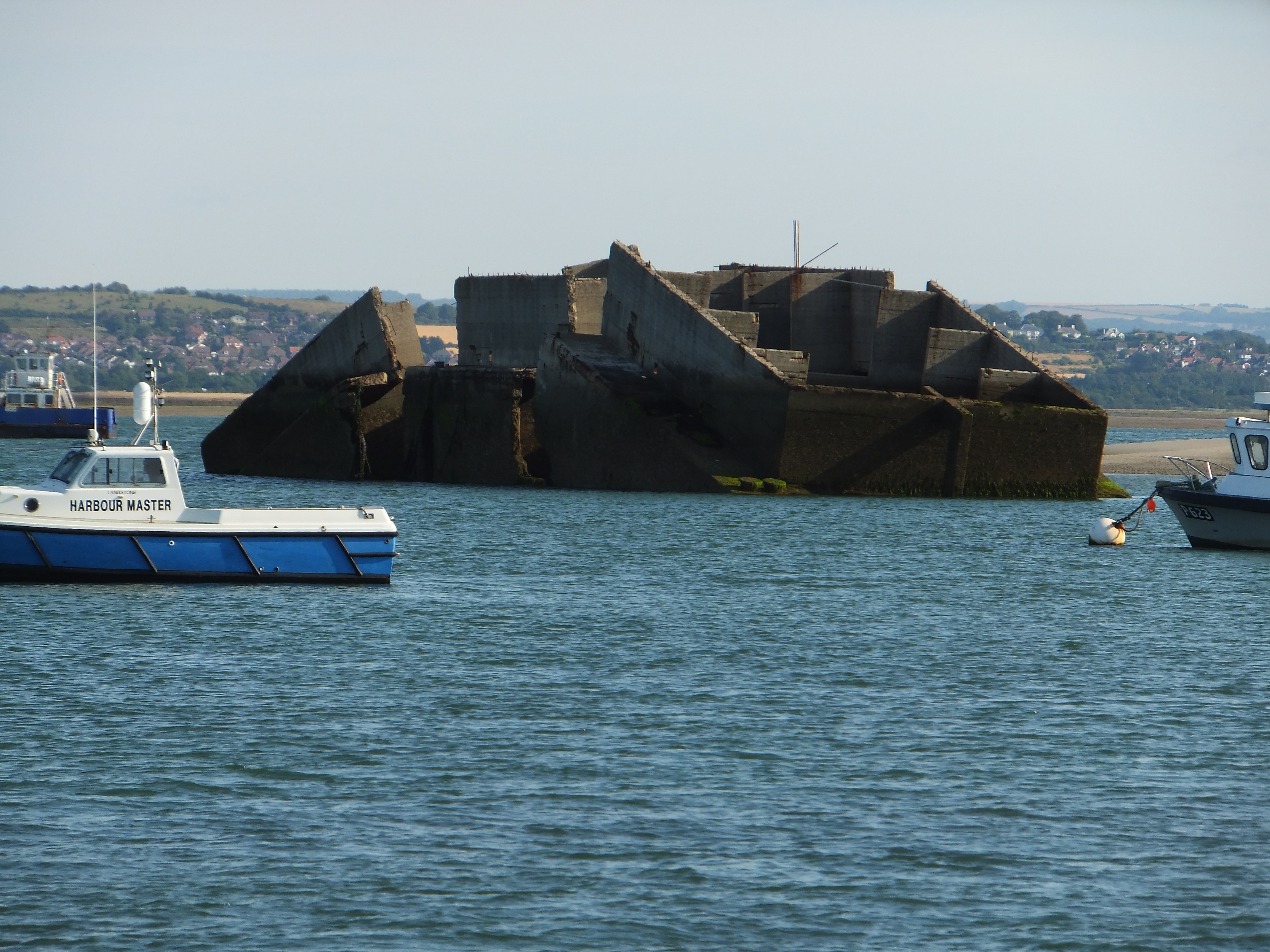 In Langstone Harbour, on the south coast of England, stands one of the area's most unusual structures: a massive concrete Phoenix caisson, a relic of the preparations for D-Day.
At first glance, it might seem an unlikely place to find a piece of wartime history. Surrounded by the shifting waters of the harbour, it stands apart from the shoreline, a reminder of an extraordinary engineering effort undertaken more than eighty years ago.
And for a crime writer, it has another attraction.
It's isolated, difficult to reach and full of possibilities.
Before the Allied landings in Normandy in June 1944, Britain prepared for the enormous logistical challenge of supplying troops, vehicles, equipment and provisions across the Channel.
The solution included the construction of artificial harbours, known as Mulberry harbours. These were designed to provide temporary port facilities on the Normandy coast, allowing the Allies to bring ashore the vast quantities of supplies needed to sustain the invasion.
One of the key components was the Phoenix caisson: a huge, hollow concrete structure designed to be towed across the Channel and sunk into position to form part of the harbour defences.
The shores around Hayling Island were involved in the construction of these enormous structures.
But not every caisson made it into service. One developed a serious crack and could not be used for its intended purpose. It was left behind in Langstone Harbour, where it remains today.
It's an extraordinary sight — and a tangible connection with one of the defining events of the Second World War.
What particularly caught my attention was the location.
The caisson is surrounded by water, and there's no way onto it except by boat. It's separate from the familiar paths, roads and buildings of the mainland. Access is difficult, and the conditions around it are shaped by the harbour and its tides.
As a crime writer, I immediately began to think about the possibilities.
Who might go there? How would they get there? What might happen if someone discovered something they weren't expecting? And if a body were found on a structure surrounded by water, what would the investigation involve?
Real places often provide the most useful starting points for fiction. They have physical limitations, a particular atmosphere and a history that an invented setting may struggle to match.
The writer's job is to look at a place and ask: What if?
 The Mulberry found its way into my DI Andy Horton Solent Murder Mysteries.
In The Langstone Harbour Murders this remarkable structure becomes the setting for a body discovery. Its isolation is part of its appeal as a fictional location, but its real history gives it an added dimension.
I enjoy bringing actual places into my novels. Readers who know the Solent and its coastline may recognise a location, while those who don't can discover somewhere new through the story.
The real caisson has its own history, quite apart from anything I have imagined happening there. That's part of what makes it so interesting to me: the fictional story grows out of a place that already has a past.
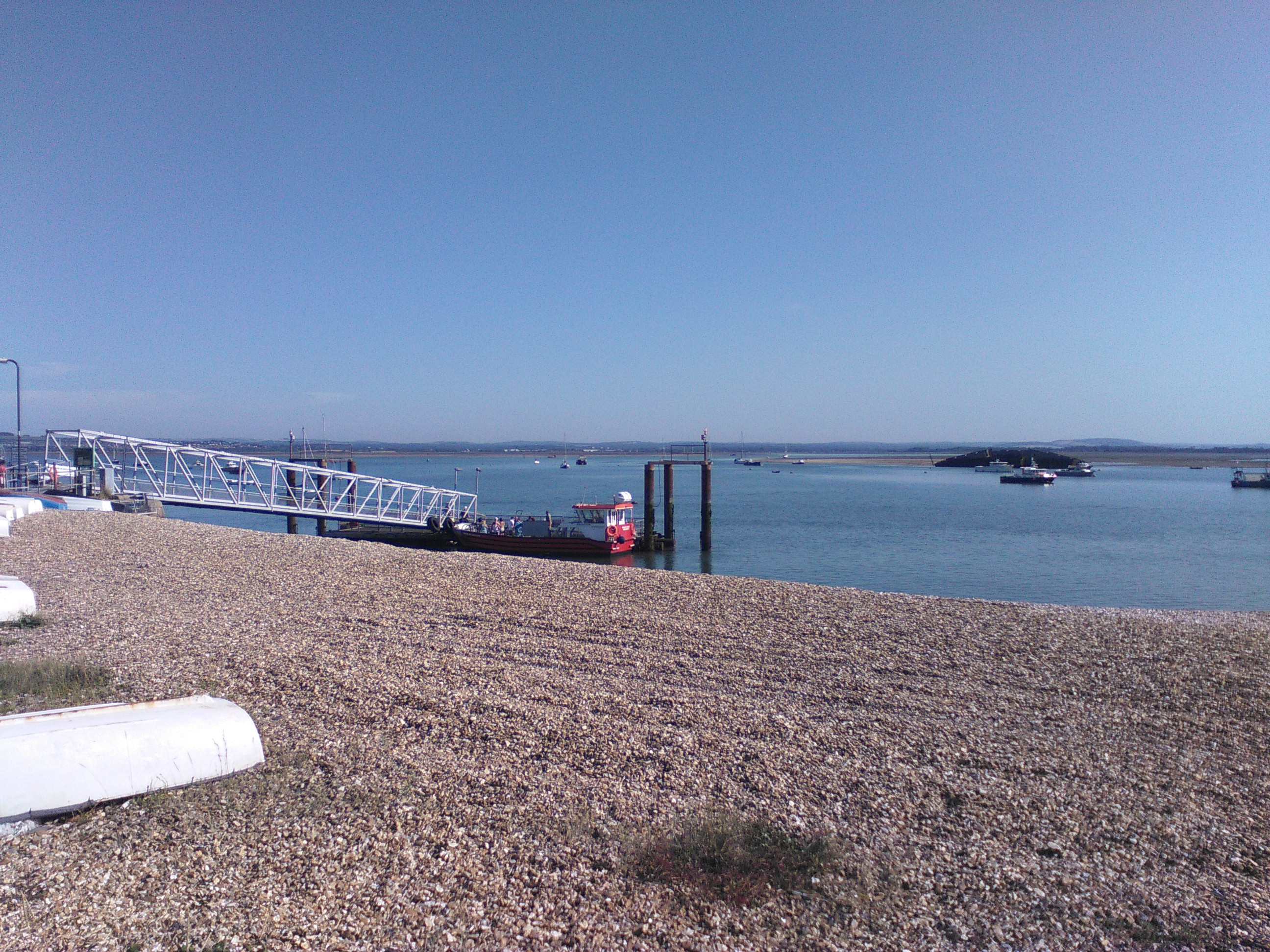 Langstone Harbour is known for its wildlife, its boats, its changing tides and its wide coastal views. But it also holds traces of the people, industries and events that have shaped this stretch of the south coast.
The Mulberry is one of those traces — an unusual reminder of the planning and engineering behind D-Day.
And it demonstrates something I often find when I'm looking for locations for my crime novels. Sometimes, you don't have to invent an extraordinary setting. You simply have to notice what's already there.
A wartime relic. A structure surrounded by water. A place you can't reach without a boat.
For a crime writer, the possibilities are irresistible.
Because sometimes the most intriguing murder locations are already there. You just have to see the mystery in them.
The Langstone Harbour Murders is one of Pauline Rowson's DI Andy Horton Solent Murder Mysteries.


Pauline Rowson lives on the South Coast of England and is the best selling author of many crime novels, published by Joffe Books. Her popular crime novels include the DI Andy Horton Solent Murder Mystery series, the Art Marvik mystery thrillers and the 1950s set Inspector Ryga mysteries. Subscribe to her newsletter for all the latest books news.
PLEASE NOTE: Fraudsters can impersonate me by sending false emails claiming that I endorse an interview or book event. That is never the case. If you are in receipt of any emails, messages or text that purport to be from me please ignore them or contact me using the form on this website. I never engage in cold-calling.