



 Search

What makes a tough, highly trained former Royal Marine Commando an interesting character to write about? For me, the answer lies in his vulnerabilities as much as his strengths.
When I created Art Marvik, I wanted to write something different from my DI Andy Horton Solent Murder Mysteries and my Inspector Ryga historical mysteries. I wanted to explore the territory between a mystery and a thriller, with more action, greater physical danger and a protagonist who could push the boundaries of the law while remaining on the right side of it.
But I didn't want to create an invincible action hero.
Art Marvik is a former Royal Marine Commando and Special Boat Service operative. He's highly trained, intelligent, resourceful and accustomed to operating under pressure. He knows the sea and has spent much of his adult life in dangerous situations. When he becomes an undercover investigator for the UK's Police National Intelligence Marine Squad, his assignments take him into cases involving murder, disappearance, old secrets and people prepared to go to extraordinary lengths to protect them.
On the surface, he has many of the qualities you'd expect of an action hero. But it is what lies beneath that interests me as a writer.
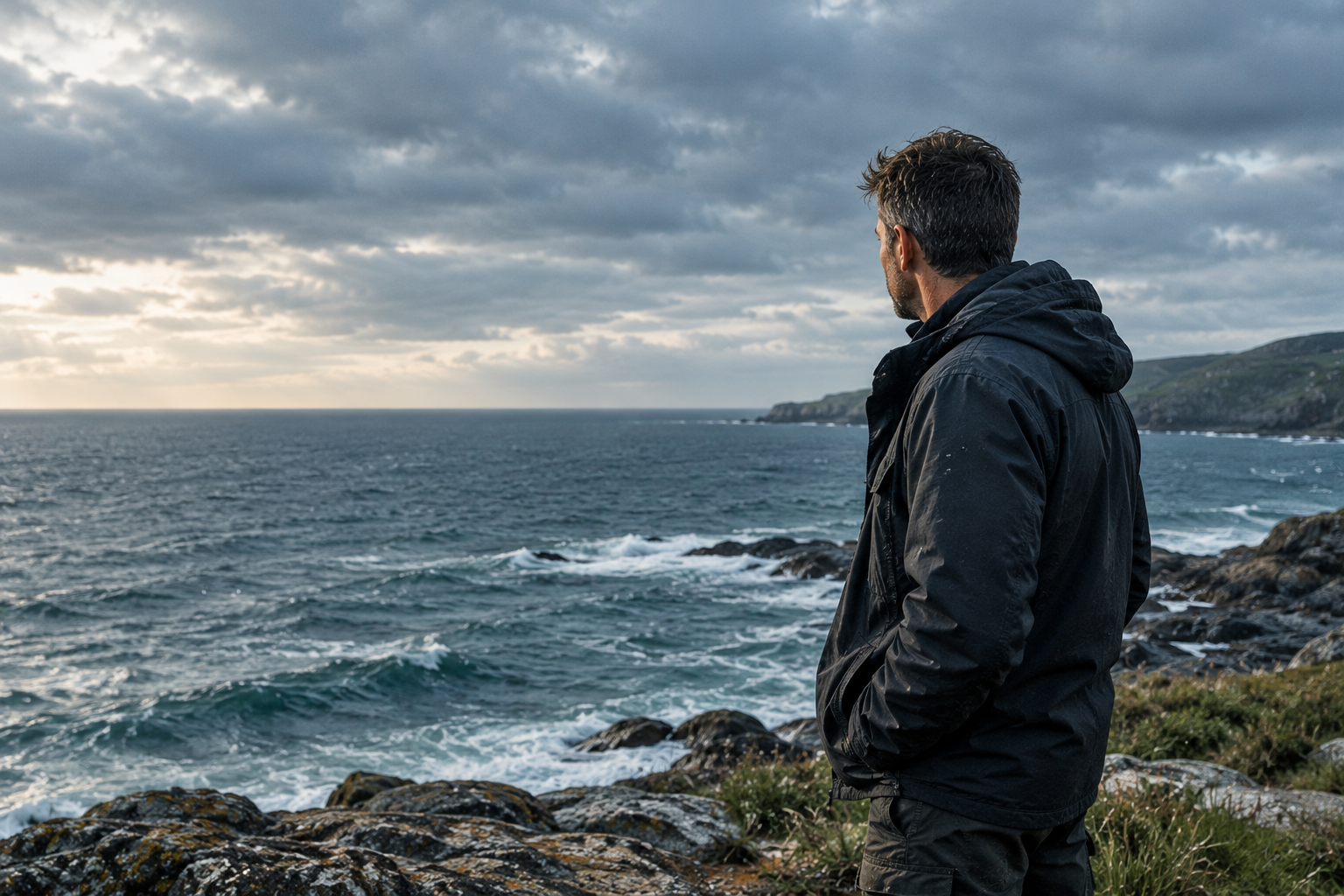 Marvik's injuries have forced him to leave the Marines and attempt to build a new life in the civilian world. That transition is far from straightforward. His first assignment protecting a luxury motor cruiser ends in disaster when pirates attack the vessel. Marvik survives with a bullet in his shoulder, but the boat's owner dies.
For a man accustomed to being capable, prepared and in control, this is a devastating start to his new life.
Marvik's greatest fear isn't simply death. It's the prospect of being injured and incapacitated, of becoming weak and having to rely on other people. His independence is deeply ingrained, and he isn't comfortable admitting when he needs help.
I find that an interesting contradiction to explore. The very qualities that make him effective in dangerous situations can also make life more difficult for him. Determination can become stubbornness. Self-reliance can become isolation. And a refusal to acknowledge vulnerability can leave a person exposed in ways they haven't anticipated.
I don't believe a character has to be likeable all the time, but I do believe readers need to understand what drives them. With Marvik, I want readers to see both the man who can face danger without flinching and the man who finds it much harder to face his own limitations.
Marvik's past has shaped the person he has become. His parents, both accomplished marine scientists, died in an underwater explosion when he was seventeen. The Marines subsequently became his family, giving him a structure and sense of belonging that he lost when his parents died.
His injuries and his departure from military life have left him having to reconsider who he is and where he belongs.
I wanted to explore what happens when someone whose identity has been built around being strong, capable and dependable is suddenly confronted with the possibility that those qualities might no longer be enough.
Marvik doesn't sit around analysing himself. He's a man of action, and when faced with a problem, his instinct is to do something about it. But the past doesn't disappear simply because he refuses to dwell on it. Nor can every difficulty be resolved by physical strength, determination or clever thinking.
Sometimes his judgement is wrong. He misreads people. He makes mistakes, and the consequences can be serious.
For me, these imperfections are essential. A character who always makes the right decision, always sees through deception and always comes out on top would soon become predictable. I want Marvik to be capable, but I also want him to be fallible. His decisions must matter, and when he gets something wrong, he must live with the consequences.
No discussion of Marvik would be complete without Shaun Strathen, his former Royal Marine colleague and close friend.
Strathen brings different skills to their investigations, including communications, surveillance and IT expertise. He is also an amputee, another man who has had to adapt to life after injury.
Their relationship provides an important counterpoint to Marvik's determination to manage everything himself. They share a background and an understanding of the demands and dangers of their former lives, but that doesn't mean they always see things in the same way.
Marvik is the boots on the ground: the man who confronts the people involved, sometimes having to be devious and manipulative himself, and taking physical action that puts his own life, and sometimes the lives of others, at risk. Strathen works behind the systems, tracking those who manipulate information, searching the murkier corners of the digital world, and sifting through evidence to give Marvik the leads and tools he needs to move an investigation forward.
Strathen despises being pitied. Like Marvik, he is fiercely independent and exceptionally fit. He has adapted to his disability in his own way, refusing to let it define him. With a range of prosthetic limbs and considerable upper-body strength, he can outpace many men — and his physical abilities can prove invaluable when he and Marvik find themselves facing an enemy together.
But Strathen offers Marvik more than practical skills. He acts as his rock, steadying and reassuring him when needed. Patient and perceptive, with a dry sense of humour, he can lighten Marvik's darker moments and provide a perspective that his friend might otherwise overlook.
I enjoy writing the exchanges between the two men and exploring the different ways they approach a problem. Their shared history gives them an understanding that doesn't always need to be explained, while their differences create opportunities for conflict, humour and unexpected solutions. Marvik may prefer to work alone, but Strathen is a reminder that even the most capable person sometimes needs someone at their side.
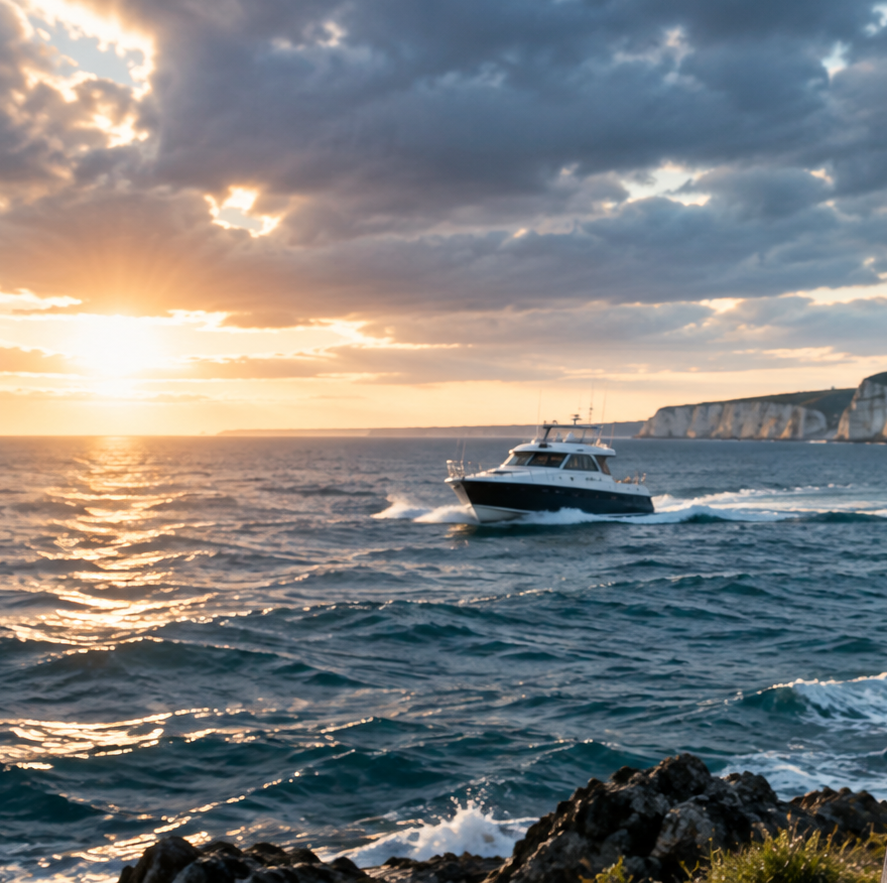 The sea is another essential part of Marvik's character.
I live on the south coast of England, and the sea, boats, harbours and changing coastal landscape have long been an important source of inspiration for my crime writing. With Marvik, I wanted the maritime world to be more than an atmospheric backdrop.
His remote cottage on the Isle of Wight offers him a degree of solitude. His motor cruiser gives him freedom to travel, and his knowledge of the sea is an important part of his work. Yet the same environment can be unpredictable and dangerous. It can conceal evidence, provide an escape route or place someone in peril with very little warning.
That contrast appeals to me. The sea can offer peace and isolation, but it can also expose a person's vulnerabilities. It is a world Marvik understands intimately, although that doesn't mean he can control it.
The coastal settings also give the novels their own distinctive character. From remote coves and harbours to open water and working ports, the maritime environment is woven into the investigations themselves.
When I began writing the Art Marvik mystery thrillers, I wanted to create a protagonist who was different from my other detectives. I wanted pace, danger and action, but I also wanted a character whose past continued to affect his present.
Marvik can be tough, resourceful and courageous without being invulnerable. He can be determined without always being right. He can face down a dangerous adversary and still struggle with the prospect of having to depend on someone else.
For me, that tension is what makes him interesting to write about. His physical abilities might help him survive a dangerous situation, but they cannot solve every problem he faces. Some challenges demand patience, judgement and trust — qualities that don't always come easily to him.
There is also the question of how much of the past a person can leave behind. Marvik has tried to build a new life after losing his parents, leaving the Marines and suffering injuries. Yet the investigations he undertakes repeatedly bring him into contact with old secrets and unexpected connections. His professional life and personal history don't always remain separate.
Five published novels have allowed me to explore different aspects of his character, and I'm currently writing the sixth Art Marvik mystery thriller.
I won't pretend that writing about him is always straightforward. Putting a character into danger is one thing; making sure that danger has consequences, that his decisions are believable and that he remains a convincing character from one novel to the next is another.
But that is part of the challenge — and the pleasure — of writing a series.
Art Marvik may be a man trained to survive, but survival isn't the same as being invulnerable. And I think it is the tension between those two things that makes him worth writing about.


Pauline Rowson lives on the South Coast of England and is the best selling author of many crime novels, published by Joffe Books. Her popular crime novels include the DI Andy Horton Solent Murder Mystery series, the Art Marvik mystery thrillers and the 1950s set Inspector Ryga mysteries. Subscribe to her newsletter for all the latest books news.
PLEASE NOTE: Fraudsters can impersonate me by sending false emails claiming that I endorse an interview or book event. That is never the case. If you are in receipt of any emails, messages or text that purport to be from me please ignore them or contact me using the form on this website. I never engage in cold-calling.
