



 Search
Whose story are you telling?
You might think the answer is obvious: the protagonist’s. But there is another question to consider. Whose eyes are you telling that story through?
When writing a novel, point of view is one of the decisions that shapes how the reader experiences the story. It influences what the reader knows, what they understand about the characters and how closely they connect with what is happening.
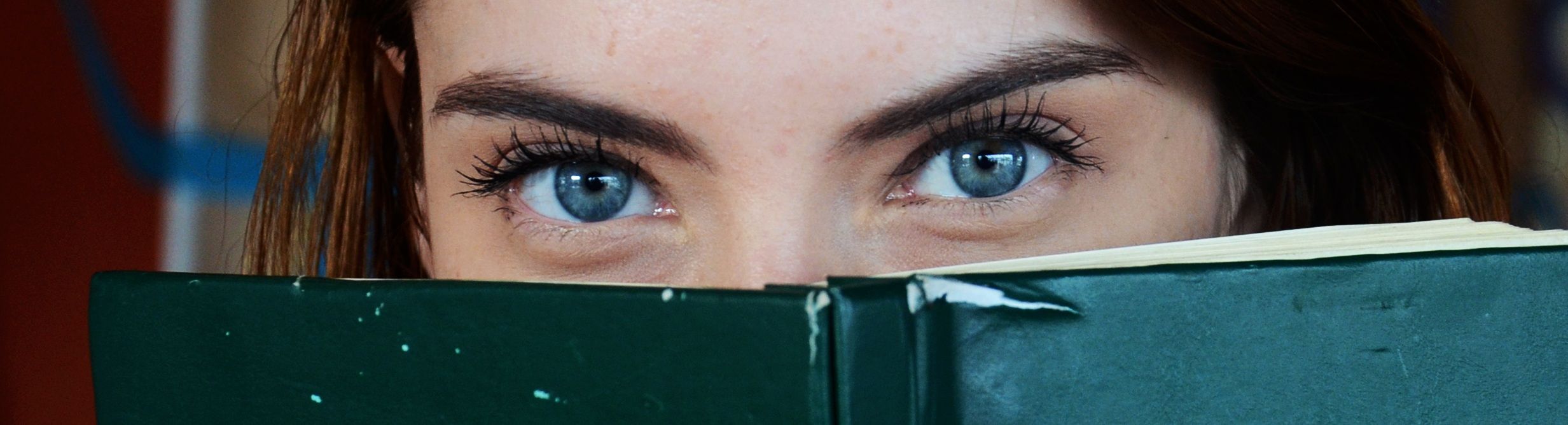 It’s easy to concentrate on the protagonist: who they are, what they want and what happens to them. But as a writer, I also need to think about how the story is being experienced.
How does the character feel? How do they react to events? What do they notice, and what might they misunderstand?
These questions matter because the reader experiences the story through the perspective the writer has chosen.
A scene can feel very different depending on whose point of view we are following. One character may see an event as threatening, while another might not realise its significance at all. The information available to the reader, and the feelings the scene creates, can change accordingly.
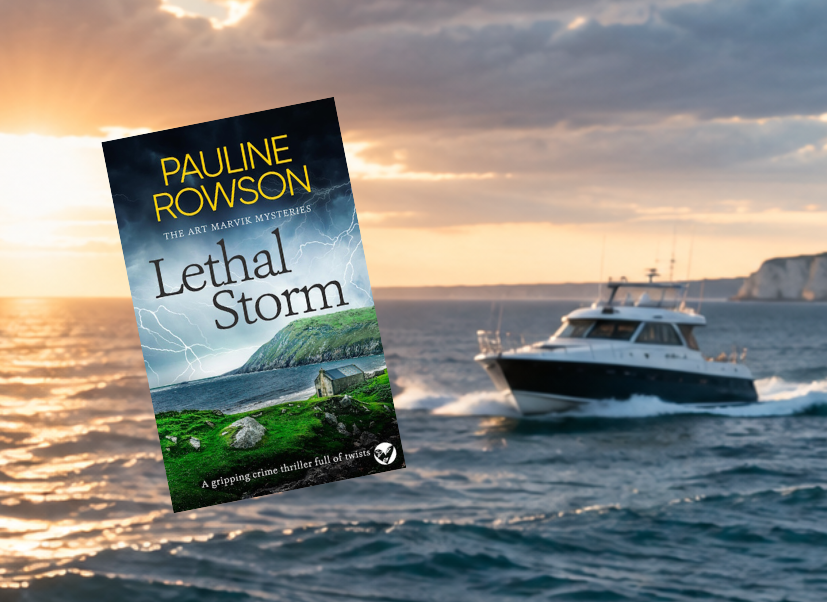 I’ve experimented with several different points of view over the years and discovered what works best for me.
Choosing a point of view is not simply a technical decision. It needs to suit the story, the characters and the experience I want to create for the reader.
And I don’t think writers should worry if they can’t always make that decision right at the beginning.
Sometimes, as you begin writing the story or novel, the right approach starts to emerge naturally. You get to know your characters, understand their motivations and discover how best to tell their story.
That doesn’t mean you can never change your mind. Writing is a process of discovery, and sometimes you only realise what works when you see the story taking shape on the page.
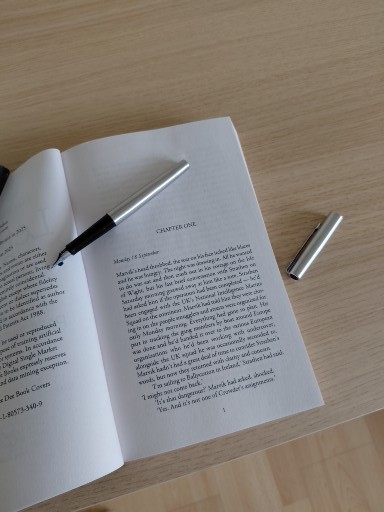 For me, an important part of thinking about point of view is considering what I want the reader to feel.
Do I want them to share a character’s uncertainty? To understand their fear? To see events through their eyes, even when they don’t have all the information?
These are useful questions to ask as a story develops.
There is no single point of view that is right for every novel. The important thing is to find the approach that best serves the story you want to tell.
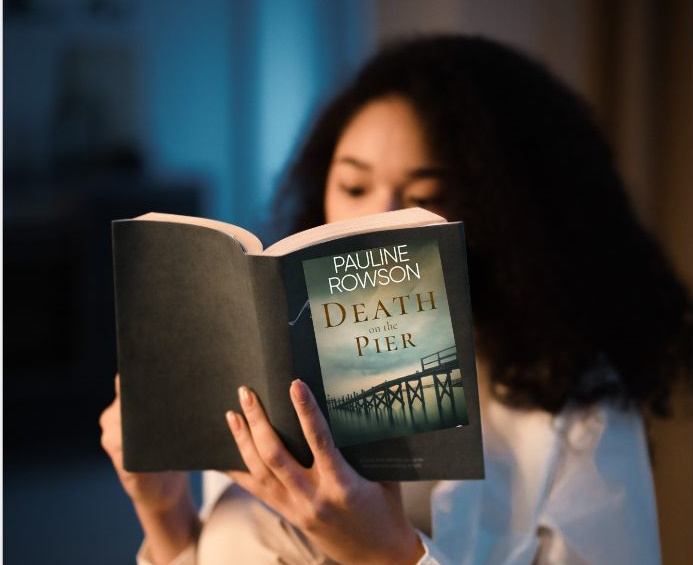 So, whose story are you telling — and whose eyes are you telling it through?
If you’re still working that out, don’t worry. You may discover the answer as you write.
In my next Author Insight, I’ll look at the difference between single and multiple points of view, and some of the things to consider when choosing between them.
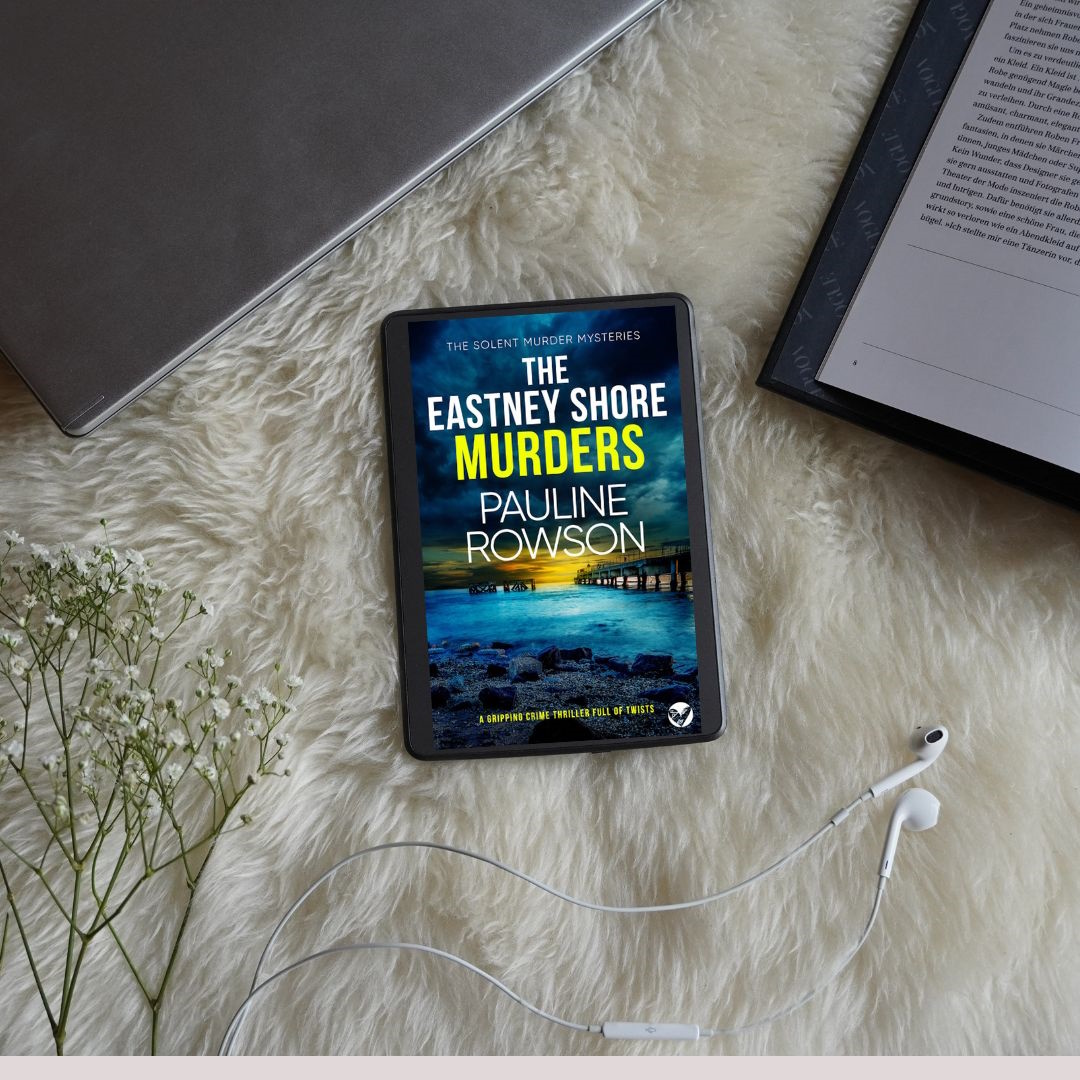 Because every story has its own needs, and every writer finds their own way of telling it.


Pauline Rowson lives on the South Coast of England and is the best selling author of many crime novels, published by Joffe Books. Her popular crime novels include the DI Andy Horton Solent Murder Mystery series, the Art Marvik mystery thrillers and the 1950s set Inspector Ryga mysteries. Subscribe to her newsletter for all the latest books news.
PLEASE NOTE: Fraudsters can impersonate me by sending false emails claiming that I endorse an interview or book event. That is never the case. If you are in receipt of any emails, messages or text that purport to be from me please ignore them or contact me using the form on this website. I never engage in cold-calling.
